

Illegal gambling hides behind well-known brands
A dangerous phenomenon known as brand spoofing is gaining ground on the Czech gambling market. Illegal operators misuse the names, visual identity and credibility of licensed gambling operators to lure players to fraudulent websites that appear official and safe.
As market experience and the findings of the Black Book of Illegal Gambling show, brand abuse is not a marginal problem. According to findings to date, at least ten brands of licensed gambling operators have been misused in this way, including well-known names such as Fortuna Game, Allwyn Czech Republic and MerkurXtip. This does not concern only sports betting operators, but also other types of online gambling, including online casinos. Fraudulent websites can be so convincing that even an experienced user may not notice the difference at first glance.
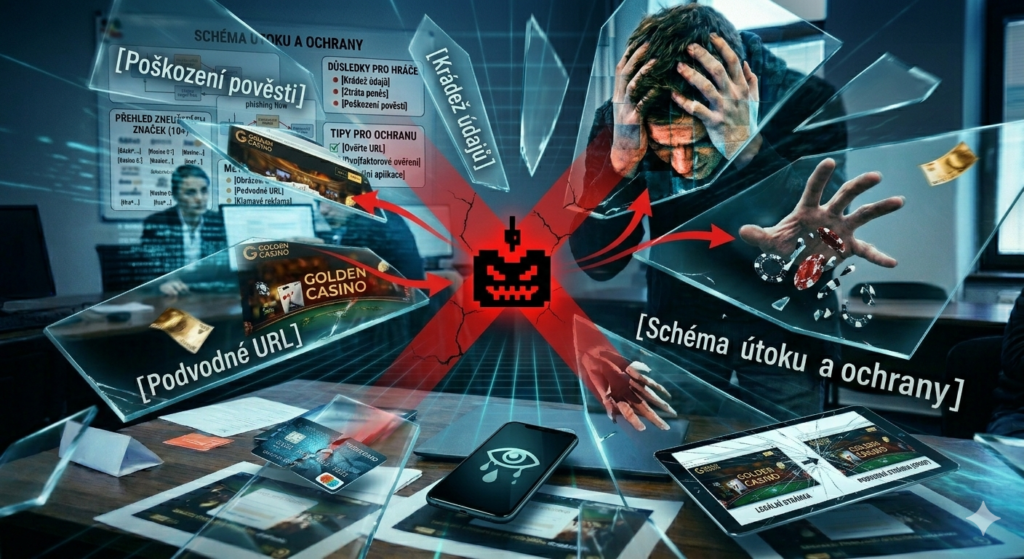 Even an experienced player may not notice it at first glance
This is precisely what makes brand spoofing so dangerous. A player may easily get the impression that they are logging into their account with a well-known operator, when in fact they are entering their details on a fraudulent website.
“Brand spoofing is one of the most dangerous forms of parasitism on the legal market. Fraudulent websites exploit the trust that licensed operators have been building for many years and turn it against the players themselves. Players may then easily believe they are logging into their account with a well-known and trusted brand, when in reality they are handing over their details to fraudsters,” says Jan Řehola, Director of the Institute for Gambling Regulation.
What can happen after data is misused
The theft of login details does not have to mean only the loss of control over a player account. Once attackers gain access, they may withdraw money, change account settings, misuse personal data or prevent the player from regaining access to their account. The risk is even higher in cases where the user uses the same login details for other online services.
The problem is not being highlighted only by expert analyses or the operators themselves. Similar experiences are also appearing in the public online space, where players share reports of unauthorised attempts to access their accounts or suspicious incidents across various brands. This also suggests that this is not an isolated problem, but a broader risk that is being perceived increasingly often on the market.
Warning for players: verify before you log in
Players should be extremely careful about where they enter their login details. Before each login, they should verify the exact website address and not rely solely on the appearance of the page. Links from advertisements, social media, discussion forums or unsolicited messages can be particularly risky. The safest approach is to access the operator’s website directly, either by manually entering the address or by using a verified saved bookmark.
If a player suspects that they have entered their details on a fraudulent website, they should immediately change their password, contact the customer support of the licensed operator and check the activity on their account. A quick response may determine whether greater financial damage can be prevented.
The Black Book has been drawing attention to this problem for a long time
The Institute for Gambling Regulation has long been drawing attention to the practices of the illegal market through the Black Book of Illegal Gambling, which describes the forms of illegal gambling and the practices of its operators in the Czech environment. The phenomenon of parasitising trust in legal brands is therefore not a random excess, but part of a broader problem that may have direct consequences for player safety.

